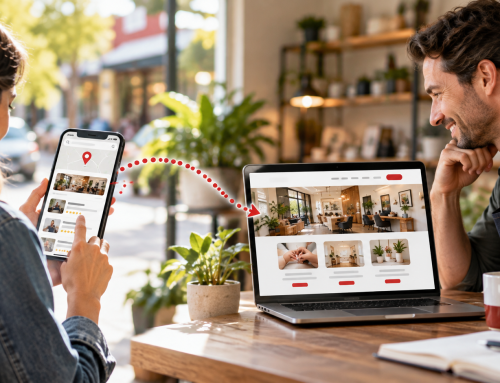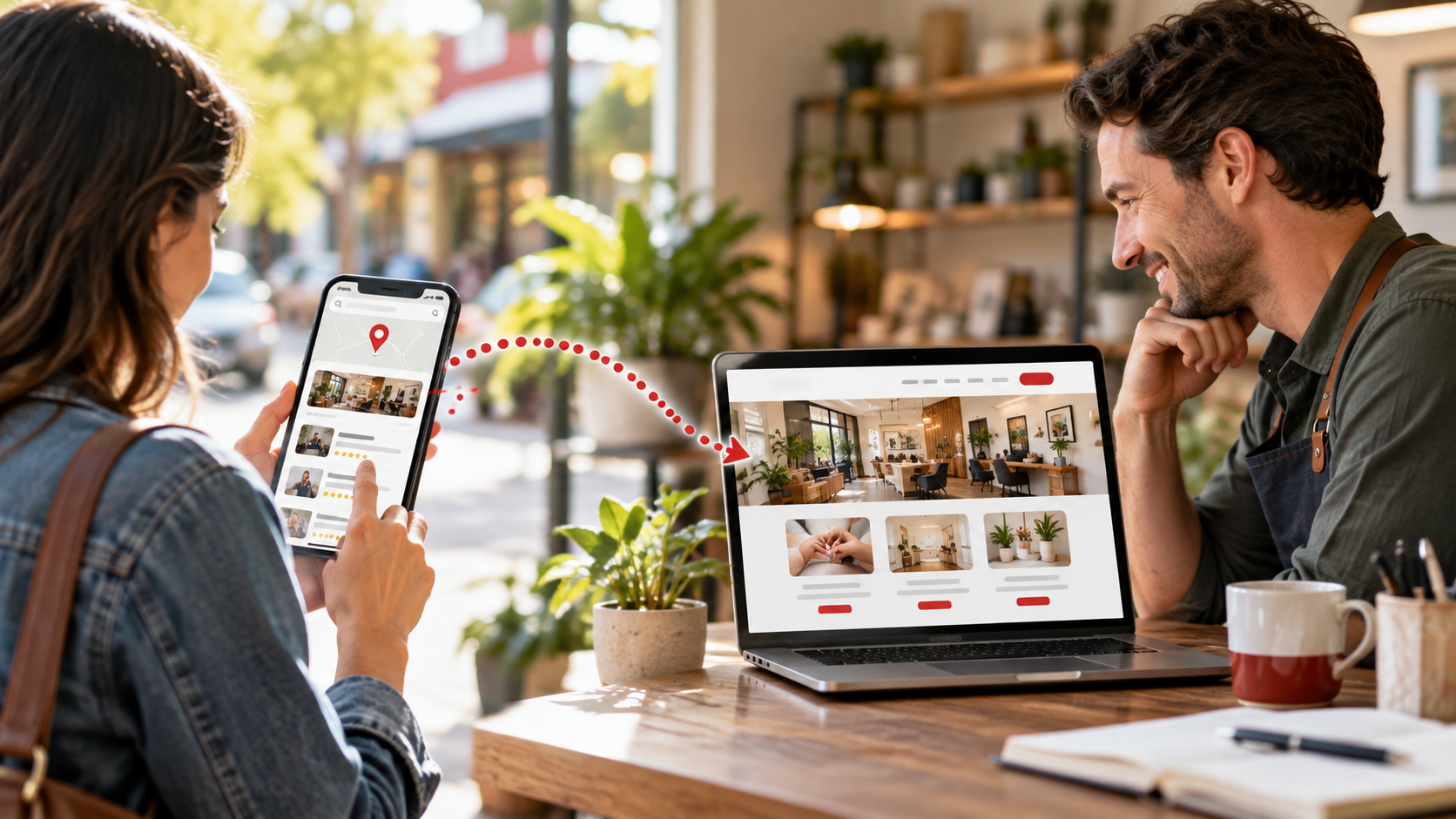


Social media can help a business build awareness, share updates, and start conversations. But a social profile is not the same as a website. It lives inside a platform whose design, features, distribution, and account rules are controlled by someone else. If social media is your only online home, you may be making it harder for customers to find complete information and harder for your brand to create a connected experience.
The solution is not to abandon social media. It is to connect social activity to a website that your business can shape around its own goals.
A social profile has limited space and structure
Social platforms are designed for their own formats. A profile may offer a short bio, a few links, and a feed organized by the platform’s rules. That can be useful for quick discovery, but it may not give you room to explain several services, show a complete portfolio, answer detailed questions, or guide different audiences to the right next step.
A custom website can organize information around how customers make decisions. Visitors can move from a service page to an example, read answers to common questions, and contact the business without searching through older posts.
Your reach depends on a platform
Social platforms can change how content is displayed or how users interact with it. An account can also be restricted, compromised, or unavailable. A website and domain create a separate destination you can continue to reference across channels. Keep your own backups and account security in place, and use social profiles to direct people to relevant pages on your site.
Do not assume a website removes all dependency on outside services. Hosting, domain registration, email, analytics, and payment tools can also be third-party services. A thoughtful setup reduces single points of failure and keeps ownership, renewals, and access organized.
Create a consistent brand experience
Your website lets you choose the structure, visual hierarchy, and language visitors encounter. You can explain what makes your business different, show the work that supports your claims, and make contact information easy to find. A coherent experience can help people feel more confident about taking the next step, especially when they are comparing providers.
Good design is not decoration alone. It helps visitors understand what you offer and where to go. Clear headings, readable text, accessible contrast, fast pages, and straightforward navigation serve both customers and your team.
Make your content easier to reuse
A website can be the source of truth for service details, policies, events, articles, and resources. Social posts can then introduce an idea and link to the fuller explanation. This reduces the need to fit every detail into a short post and helps keep important information consistent across channels.
Organize content around real customer questions. A service page can explain fit and process. A case study can show what was done and what changed, with permission and accurate details. An article can address a recurring challenge. Each page should have a clear purpose and a relevant next step.
Build a path from attention to action
Social engagement matters, but likes and views are not always business outcomes. A website can make the next action clear: request a quote, book an appointment, subscribe to useful updates, or browse products. Use forms that ask only for information you need, explain what happens after submission, and route inquiries to someone who can respond.
Measure the actions that matter to your business. Look at qualified inquiries, bookings, sales, repeat visits, or email sign-ups. Use what you learn to improve the pages and the social content that brings people there.
Start with a goal, then build the right site
A custom website is most valuable when it supports a specific goal or experience that a generic profile cannot handle well. That may include a tailored quote process, a searchable resource library, a multi-service structure, a booking flow, a customer portal, or integrations with existing business systems. The design and technical choices should follow the customer journey and operational need.
Start by choosing the audience, the main problem you solve, and the action visitors should take. Build a focused website that answers those needs, then connect social profiles to relevant pages. Maintain the domain and site, protect administrator access, and refresh content as the business changes.
Social media can help people discover your business. A website gives them a place to understand it, trust it, and take action. For a custom site planned around your brand and business goals, request a quote from Marketing Doors.